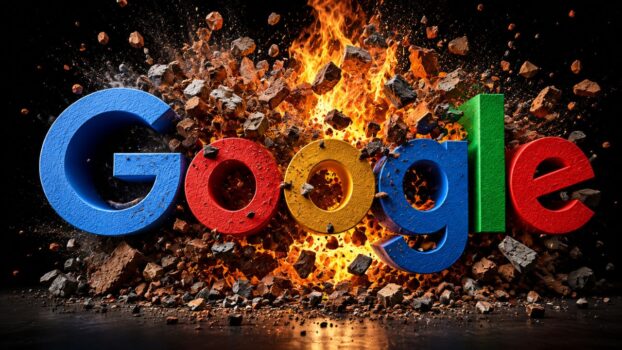
Google Core Update May 2026: History of Google Algorithm Updates and Changes for Ranking

The May 2026 Core Update officially began rolling out on May 21, 2026, and is currently impacting search rankings across industries, regions, and languages worldwide. According to Google, this is a broad core update designed to “better surface relevant, satisfying content for searchers from all types of sites.” The rollout is expected to continue for nearly two weeks, with noticeable ranking volatility already reported across news, affiliate, finance, healthcare, SaaS, eCommerce, and AI-generated content websites.
Google’s core updates are major changes to its ranking systems that reassess how content quality, relevance, trustworthiness, expertise, and user satisfaction are evaluated in Search. Unlike manual penalties or spam actions, broad core updates do not target individual websites. Instead, they refine Google’s understanding of what content deserves higher visibility based on evolving user expectations and search behavior. Google has repeatedly emphasized that websites negatively affected by core updates should focus on improving overall content quality, originality, expertise, and user experience rather than looking for quick technical fixes.
The May 2026 update arrives during one of the biggest transformations in Google Search history. Following announcements at Google I/O 2026, Google has aggressively expanded AI-driven search experiences, including AI Overviews, AI Mode, Gemini-powered Search, conversational search interfaces, and personalized AI-assisted answers. SEO professionals believe the May 2026 Core Update is closely connected to Google’s broader AI-first search ecosystem, where search rankings are increasingly influenced by content depth, topical authority, author credibility, structured expertise, and real user satisfaction signals.
Many SEO tracking tools and industry discussions suggest that the May 2026 Core Update is rewarding websites that demonstrate strong E-E-A-T principles (Experience, Expertise, Authoritativeness, and Trustworthiness), while reducing visibility for thin AI-generated content, heavily over-optimized SEO pages, scaled content farms, clickbait headlines, and low-value affiliate pages. Google has also recently updated its spam policies to include manipulation attempts targeting AI-generated search systems and AI Overviews, signaling stricter enforcement against low-quality publishing tactics.
The current update follows several major ranking system changes introduced throughout 2025 and 2026. These updates collectively show Google’s continued push toward rewarding genuinely helpful, people-first content instead of pages created primarily for search engine manipulation.
A chronological timeline of major recent Google core updates includes:
- May 2026 Core Update: Began rolling out on May 21, 2026, marking Google’s second confirmed core update of 2026 and continuing the shift toward AI-first search experiences.
- March 2026 Core Update: Rolled out between March 27 and April 2026, with strong focus on content quality reassessment, topical depth, trust signals, and reducing the visibility of thin or over-scaled AI-assisted content.
- December 2025 Core Update: Rolled out from December 11 through late December 2025, affecting multiple industries globally and continuing Google’s people-first content initiatives.
- June 2025 Core Update: Rolled out from June 30 to July 17, 2025, with ranking volatility observed across publishers, affiliate websites, and informational content portals as Google refined quality evaluation systems.
- March 2025 Core Update: Rolled out from March 13 to March 27, 2025, reinforcing Google’s emphasis on original, experience-driven, and genuinely useful content. (Google for Developers)
The history of Google algorithm updates shows a consistent pattern:
Google increasingly prioritizes content created for users rather than search engines. Earlier algorithm systems such as Panda, Penguin, Hummingbird, Medic, Helpful Content Updates, Product Reviews Updates, Spam Updates, and modern Core Updates have all contributed toward improving content quality standards in Search. Today, ranking success depends far less on traditional keyword manipulation and far more on topical authority, authentic expertise, brand trust, user engagement, and content usefulness.
For website owners, publishers, SEO professionals, and businesses, the May 2026 Core Update serves as another reminder that long-term SEO success now requires a sustainable people-first content strategy. Sites relying on mass-produced AI content, shallow articles, excessive ad-heavy pages, or outdated SEO tactics are increasingly vulnerable to ranking declines. Meanwhile, brands investing in original research, expert-written resources, real-world experience, trust-building signals, and comprehensive topical coverage are more likely to gain long-term search visibility in Google’s evolving AI-powered search ecosystem. (Vizup)
References:
• Google Search Central Core Updates Documentation: Google Search Central Core Updates Documentation
• Search Engine Land Coverage on May 2026 Core Update: Search Engine Land May 2026 Core Update Report
• Search Engine Roundtable Coverage: Google May 2026 Core Update Rolling Out
• Google AI Search Changes at I/O 2026: Google Search AI Changes Coverage by The Verge
• Google Spam Policy Updates for AI Manipulation: Google Spam Policy AI Manipulation Coverage
Google May 2026 Core Update Quick Facts
Google officially announced the rollout of the May 2026 Core Update on Thursday, May 21, 2026, at approximately 11:43 AM ET, confirming what many SEO professionals and website owners had already started noticing through significant search ranking volatility earlier in the week. According to Google, the rollout may take up to two weeks to fully complete and is part of its ongoing effort to “better surface relevant, satisfying content for searchers from all types of sites.”
Google shared the announcement through its official Search Status Dashboard, LinkedIn, and Search Central channels, stating:
“This is a regular update designed to better surface relevant, satisfying content for searchers from all types of sites. The rollout may take up to 2 weeks to complete.”
However, the SEO industry largely believes the impact began days before the official confirmation. Multiple SEO tracking tools, ranking sensors, and webmaster communities reported intense volatility around May 19 and May 20, especially during and immediately after
Google I/O 2026. Search ranking fluctuations were widely observed across news publishers, affiliate sites, SaaS websites, finance portals, AI-generated content sites, and eCommerce platforms. Barry Schwartz from Search Engine Roundtable noted that many SEOs “felt it coming” even before Google publicly acknowledged the rollout.
The timing of this update is particularly significant because it arrived just days after Google I/O 2026, where Google introduced one of the largest AI-driven transformations in Search history. During the event, Google announced major advancements including AI Mode, Gemini-powered Search enhancements, conversational search experiences, AI-generated summaries, and intelligent search agents. Google described this shift as “a new era for AI Search,” signaling a deeper integration of artificial intelligence into how search results are generated and ranked.
Although Google has not officially linked the May 2026 Core Update to the AI announcements from I/O 2026, many SEO experts believe the update aligns closely with Google’s broader AI-first search direction. The update appears to further strengthen Google’s ability to identify high-quality, experience-driven, and genuinely useful content while reducing visibility for thin, mass-produced, or over-optimized pages created primarily for search engines rather than users.
As with previous broad core updates, Google clarified that this is not a penalty-based update targeting specific websites or industries. Instead, core updates are broad ranking system adjustments that reassess content quality, topical relevance, authority, expertise, trustworthiness, and overall user satisfaction signals across the web. Websites experiencing ranking declines are encouraged to focus on improving content quality, originality, user experience, and E-E-A-T signals rather than searching for technical “quick fixes.”
The May 2026 Core Update also continues Google’s increasingly aggressive pace of algorithm improvements. In just the past several months, Google has rolled out the February 2026 Discover Update, March 2026 Spam Update, March 2026 Core Update, and now the May 2026 Core Update. This accelerated update cycle demonstrates that Google’s search systems are evolving faster than ever, particularly as AI-generated content continues to flood the web.
For SEO professionals, publishers, and businesses, the May 2026 Core Update reinforces a clear long-term trend in Google Search: websites that prioritize people-first content, topical authority, real-world expertise, original insights, and user satisfaction are more likely to succeed, while websites relying heavily on scaled AI content, keyword manipulation, low-value affiliate pages, or outdated SEO tactics may continue losing visibility in future updates.
Google Core Update in 2026 – All Incidents Reported for Ranking
| Summary | Date | Duration |
| May 2026 core update | 21 May 2026 | Information |
| March 2026 core update | 27 Mar 2026 | 12 days, 4 hours |
| March 2026 spam update | 24 Mar 2026 | 19 hours, 30 minutes |
| February 2026 Discover update | 5 Feb 2026 | 21 days, 17 hours |
What Is The Google May 2026 Core Update?
The Google May 2026 Core Update is a broad ranking system update that affects how Google evaluates and ranks content across the web. Core updates are released several times every year and are intended to improve the overall search experience for users.
Google explains that search rankings naturally evolve because:
- New content is constantly published
- User expectations change over time
- Better resources may emerge
- Search intent continues to evolve
- Quality standards improve regularly
A page losing rankings after a core update does not necessarily mean it is “bad” or penalized. It may simply mean that other pages now provide more valuable, relevant, or trustworthy information for users.
Google compares this process to updating a list of favorite restaurants. Some restaurants may move down the list not because they became worse, but because newer or better options appeared.
Why Many Websites Are Feeling Ranking Volatility
During a core update rollout, search rankings can fluctuate significantly. Some websites may experience:
- Sudden traffic drops
- Keyword ranking changes
- Increased visibility
- Recovery from previous updates
- Temporary indexing or impression fluctuations
This happens because Google is reevaluating:
- Content usefulness
- Search intent match
- Website trust signals
- User experience
- Expertise and topical authority
- Content freshness and originality
Industries commonly impacted include:
- Finance
- Health
- Travel
- Immigration
- Technology
- News
- Education
- E-commerce
Websites relying heavily on AI-generated, thin, outdated, or low-value content may see stronger negative impact compared to sites publishing expert-driven and user-focused content.
What Google Says Website Owners Should Do
Google clearly states that most websites do not need to panic during a core update. Instead of making rushed SEO changes, site owners should first analyze the situation carefully.
Step 1: Wait For The Rollout To Finish
Google recommends waiting until the rollout is fully completed before analyzing traffic changes. Since rankings fluctuate throughout the rollout period, early conclusions can be misleading.
Step 2: Compare Performance Properly
After the rollout:
| Recommended Analysis | Purpose |
| Compare one week before update vs one week after | Identify actual ranking shifts |
| Analyze top-performing pages | Find pages most impacted |
| Separate search types | Check Web, Images, Video, News individually |
| Review keyword intent changes | Understand shifting user expectations |
Google specifically advises using Google Search Console to assess performance changes.
Small Ranking Drops vs Large Ranking Drops
Not every traffic drop requires major action.
Small Ranking Drops
Example:
- Position 2 → Position 4
Google says small declines are normal and usually do not require drastic modifications. In many cases, over-optimizing content can actually worsen performance.
Large Ranking Drops
Example:
- Position 4 → Position 29
A major drop indicates Google may now consider competing pages more useful or authoritative. In such cases, deeper content evaluation becomes necessary.
How To Recover After A Google Core Update
Focus On Helpful, People-First Content
Google continues emphasizing “people-first content” across all updates. This means content should primarily help users rather than manipulate search rankings.
Characteristics Of Helpful Content
- Written by experienced or knowledgeable authors
- Solves real user problems
- Provides original insights
- Includes trustworthy information
- Easy to read and navigate
- Covers topics comprehensively
- Matches user intent clearly
Signals Of Low-Quality Content
- Thin AI-generated pages
- Keyword stuffing
- Excessive ads
- Misleading headlines
- Duplicate information
- Lack of expertise
- Poor user experience
Google advises site owners to evaluate their websites honestly and even seek feedback from independent reviewers.
Improve Content Meaningfully Instead Of Doing Quick SEO Fixes
One of Google’s strongest recommendations is avoiding “quick-fix SEO tactics.”
Instead of making random changes because of SEO rumors:
- Improve readability
- Add expert insights
- Update outdated statistics
- Enhance page structure
- Add useful visuals or examples
- Improve navigation experience
- Cover missing user questions
Google specifically mentions that meaningful rewrites and restructuring can improve user experience more effectively than superficial SEO edits.
Should You Delete Content After A Core Update?
Google says deleting content should be considered only as a last resort.
However, if large sections of a website were created mainly for search engines rather than users, removing low-quality content may help improve overall site quality.
Content That May Need Review
- Thin affiliate pages
- Low-value AI content
- Duplicate pages
- Outdated informational articles
- Auto-generated location pages
- Low-engagement blog posts
Instead of deleting immediately:
- Update the content
- Improve expertise
- Add original information
- Merge overlapping pages
- Improve internal linking
How Long Does Recovery Take After A Core Update?
Recovery timelines vary significantly.
According to Google:
- Some improvements may show impact within days
- Larger quality reassessments may take several months
- Full recovery may sometimes happen during the next core update
Google also mentions that smaller ongoing algorithm updates happen continuously, meaning improvements can still help rankings even before another major update arrives.
Key Takeaways From The Google May 2026 Core Update
| Important Insight | What It Means |
| Core updates are broad | No specific penalty targeting |
| Rankings may fluctuate | Temporary volatility is normal |
| Helpful content matters most | User-first content wins long term |
| Avoid panic SEO changes | Focus on sustainable improvements |
| Expertise and trust are critical | E-E-A-T continues growing in importance |
| Recovery takes time | Patience and consistency matter |
History of Previous Broad Core Updates
- March 2026 Core Update: March 27, 2026 through April 8, 2026.
- December 2025 Core Update: December 11, 2025 through December 29, 2025
- June 2025 Core Update: June 30, 2025 through July 17, 2025
- March 2025 Core Update: March 13, 2025 through March 27, 2025
- December 2024 Core Update: December 12, 2024 through December 18, 2024
- November 2024 Core update: November 11, 2024 through December 5, 2024
- August 2024 Core Update : August 15, 2024 through September 3, 2024
- March 2024 Core Update : March 5, 2024 through April 19, 2024
- November 2023 Core Update : November 2, 2023 through November 28, 2023
- October 2023 Core Update: October 5, 2023 through October 19, 2023
- August 2023 Core Update: August 22, 2023 through September 7, 2023
- March 2023 Core Update: March 15, 2023 through March 28, 2023
- September 2022 Core Update: September 12, 2022 through September 26, 2022
- May 2022 Core Update: May 25, 2022 through June 9, 2022
- November 2021 Core Update: November 17, 2021 through November 30, 2021
- July 2021 Core Update: July 1, 2021 through July 12, 2021
- June 2021 Core Update: June 2, 2021 through June 12, 2021
- December 2020 Core Update: December 3, 2020 through December 16, 2020
- May 2020 Core Update: May 4, 2020 through May 18, 2020
- January 2020 Core Update: January 13, 2020 through mostly January 17, 2020
- September 2019 Core Update: September 24, 2019
- Google June 2019 Core Update: June 3, 2019 through June 8, 2019
Previous Helpful Content Update Impact
- Septemebr 14, 2023 – September 2023 Google helpful content update – completing on Septmeber 28, 2023
- December 5, 2022 – December 2022 Google helpful content update, completing on January 12, 2023
- August 25, 2022 – August 2022 (original) Google helpful content update, completing on September 9, 2022
Understanding Google Core Updates and Your Website
A few times a year, Google makes major updates to its search systems. We call these core updates. When they happen, we list them publicly on our Google Search ranking updates page.
For most website owners, these updates pass by without any noticeable changes. But if you recently noticed a drop in your traffic right around the time an update happened, don’t panic. This guide will help you understand how these updates work and how you can check and improve your content.
How Google Core Updates Work
Our main goal is simple: we want to give people the most helpful and reliable search results possible.
Core updates aren’t designed to punish specific websites or individual pages. Instead, they are broad adjustments to how our system reads the web as a whole.
The Restaurant Analogy: Imagine you made a list of your top 20 favorite restaurants in 2019. If you look at that list today, it’s probably changed. New restaurants have opened up, and some old ones might have gotten even better. If an old favorite drops down a few spots, it doesn’t mean it’s a “bad” restaurant. It just means some newer or better options deserve to be higher up. That is exactly what a core update does to search results.
How to Check Your Traffic in Google Search Console
If your search rankings have dropped, use Google Search Console to find out exactly what happened. Here is how to do it safely:
1. Wait for the Update to Finish
Check the Search Status Dashboard to confirm the update is 100% complete. Take note of the start and end dates.
2. Compare the Right Dates
Don’t rush to analyze your site the day the update finishes. Wait at least one full week. After seven days, compare a full week of data after the update to a full week of data before the update started. This gives you a clean picture of the change.
3. Look at Your Top Pages and Terms
Look at your highest-performing pages and keywords to see how much they dropped:
- Small Drop (e.g., falling from position 2 to position 4): No need to worry or make big changes. It is normal for rankings to shift slightly. Avoid messing with content that is already doing well.
- Large Drop (e.g., falling from position 4 to position 29): This means you need to do a deeper review of your content.
4. Separate Your Traffic Sources
Filter your data to see if the drop happened across regular Web Search, Google Images, Videos, or Google News. This helps you pinpoint exactly where the issue lies.
What to Do If You Experienced a Large Drop
If your site took a major hit, it’s time to take a step back and honestly evaluate your website. Ask yourself: Is my content truly helpful, reliable, and created for real human beings first?
- Get an Outside Opinion: It is hard to be objective about your own work. Ask a trusted friend or colleague who has nothing to do with your website to look at your top pages and give you honest feedback.
- Study the Pages That Dropped: Look at your competitor pages that are now ranking above yours. What are they doing better? Are they answering the searcher’s question more clearly or quickly?
Best Practices When Making Changes
When you start updating your site, keep these rules in mind to avoid making things worse:
- Avoid “Quick Fixes”: Don’t delete page elements or change settings just because someone on an SEO forum said it was a magic fix. Focus on changes that actually help your human readers.
- Improve the Reading Experience: Sometimes, you don’t need to change what you say, but how you say it. Rewrite confusing sentences, break up massive paragraphs, and make your pages easier to navigate.
- Deleting Content is a Last Resort: Only delete a page if it is completely unfixable. If you find yourself wanting to delete entire sections of your site, that’s usually a sign those pages were originally built just to trick search engines, not to help people. Deleting that unhelpful clutter can actually help your high-quality pages rank better.
How Long Does It Take to Recover?
SEO requires patience. Once you make your content better, it takes time for Google’s systems to notice:
- Small fixes might show results in a few days.
- Major site-wide improvements can take several months. Our system needs time to crawl your site and confirm that you are consistently creating reliable, people-first content.
The good news: You don’t always have to wait for the next official “core update” announcement to see your rankings go back up. Google updates its systems automatically every single day. As you make your site better for real people, our systems will naturally pick up on those improvements over time.
Google Core Updates in 2025
| Summary | Date | Duration |
| December 2025 core update | 11 Dec 2025 | 18 days, 2 hours |
| August 2025 spam update | 26 Aug 2025 | 26 days, 15 hours |
| June 2025 core update | 30 Jun 2025 | 16 days, 18 hours |
| March 2025 core update | 13 Mar 2025 | 13 days, 21 hours |
Google Core Updates in 2024
| Summary | Date | Duration |
| December 2024 spam update | 19 Dec 2024 | 7 days, 2 hours |
| December 2024 core update | 12 Dec 2024 | 6 days, 4 hours |
| November 2024 core update | 11 Nov 2024 | 23 days, 13 hours |
| Ranking is experiencing an ongoing issue. | 15 Aug 2024 | 4 days, 11 hours |
| August 2024 core update | 15 Aug 2024 | 19 days, 4 hours |
| June 2024 spam update | 20 Jun 2024 | 7 days, 1 hour |
| March 2024 spam update | 5 Mar 2024 | 14 days, 21 hours |
| March 2024 core update | 5 Mar 2024 | 45 days |
Google Core Updates in 2023
| Summary | Date | Duration |
| November 2023 reviews update | 8 Nov 2023 | 29 days |
| November 2023 core update | 2 Nov 2023 | 25 days, 21 hours |
| October 2023 core update | 5 Oct 2023 | 13 days, 23 hours |
| Ranking is experiencing an ongoing issue | 5 Oct 2023 | 26 days |
| October 2023 spam update | 4 Oct 2023 | 15 days, 12 hours |
| September 2023 helpful content update | 14 Sep 2023 | 13 days, 11 hours |
| August 2023 core update | 22 Aug 2023 | 16 days, 3 hours |
| April 2023 reviews update | 12 Apr 2023 | 13 days, 2 hours |
| March 2023 core update | 15 Mar 2023 | 13 days, 7 hours |
| February 2023 product reviews update | 21 Feb 2023 | 14 days |
Google Core Updates in 2022
| Summary | Date | Duration |
| December 2022 link spam update | 14 Dec 2022 | 29 days |
| December 2022 helpful content update | 5 Dec 2022 | 38 days |
| October 2022 spam update | 19 Oct 2022 | 2 days |
| September 2022 product reviews update | 20 Sep 2022 | 6 days |
| September 2022 core update | 12 Sep 2022 | 14 days |
| August 2022 helpful content update | 25 Aug 2022 | 15 days |
| July 2022 product reviews update | 27 Jul 2022 | 6 days |
| May 2022 core update | 25 May 2022 | 15 days |
| March 2022 product reviews update | 23 Mar 2022 | 14 days |
| Page experience update for desktop | 22 Feb 2022 | 9 days |
Google Core Updates in 2021
| Summary | Date | Duration |
| December 2021 product reviews update | 1 Dec 2021 | 20 days |
| November 2021 core update | 17 Nov 2021 | 13 days |
| November 2021 spam update | 3 Nov 2021 | 8 days, 1 hour |
| July 2021 link spam update | 26 Jul 2021 | 29 days |
| July 2021 core update | 1 Jul 2021 | 11 days |
| June 2021 spam update | 28 Jun 2021 | 23 hours, 59 minutes |
| June 2021 spam update | 23 Jun 2021 | 23 hours, 59 minutes |
| Page experience update for mobile | 15 Jun 2021 | 79 days |
| June 2021 core update | 2 Jun 2021 | 10 days |
Final Thoughts
The Google May 2026 Core Update once again reinforces a long-standing message from Google: websites that genuinely help users are more likely to succeed over time.
Instead of chasing algorithm loopholes or short-term ranking tricks, businesses and publishers should focus on:
- Building topical authority
- Publishing original insights
- Demonstrating real expertise
- Improving user experience
- Creating trustworthy and accurate content
For SEO professionals and website owners across India and globally, this update is another strong reminder that sustainable organic growth comes from long-term quality, not shortcuts.